Mastering Effective Blogging: 15 Best Practices to Reach Your Content Marketing Goals
Welcome to the world of blogging, where creating engaging content and reaching your target audience can be a daunting task. However, with the right strategies and best practices, you can increase your online visibility, drive more traffic to your website, and achieve your content marketing goals. In this tutorial, we will walk you through the best practices for blogging, providing you with actionable tips and examples to help you improve your blogging skills and take your content to the next level.
Step 1: Define Your Niche and Target Audience in Blogging
Before you start creating content, it's essential to define your niche and identify your target audience. This will help you tailor your content to their needs, interests, and preferences, increasing the chances of engaging with them and building a loyal following. For example, if you're a fashion blogger, your niche might be sustainable fashion, and your target audience could be environmentally conscious women aged 25-40. Take the time to research your audience, analyze their behavior, and create buyer personas to guide your content creation.
Step 2: Develop a Content Strategy for Your Blog
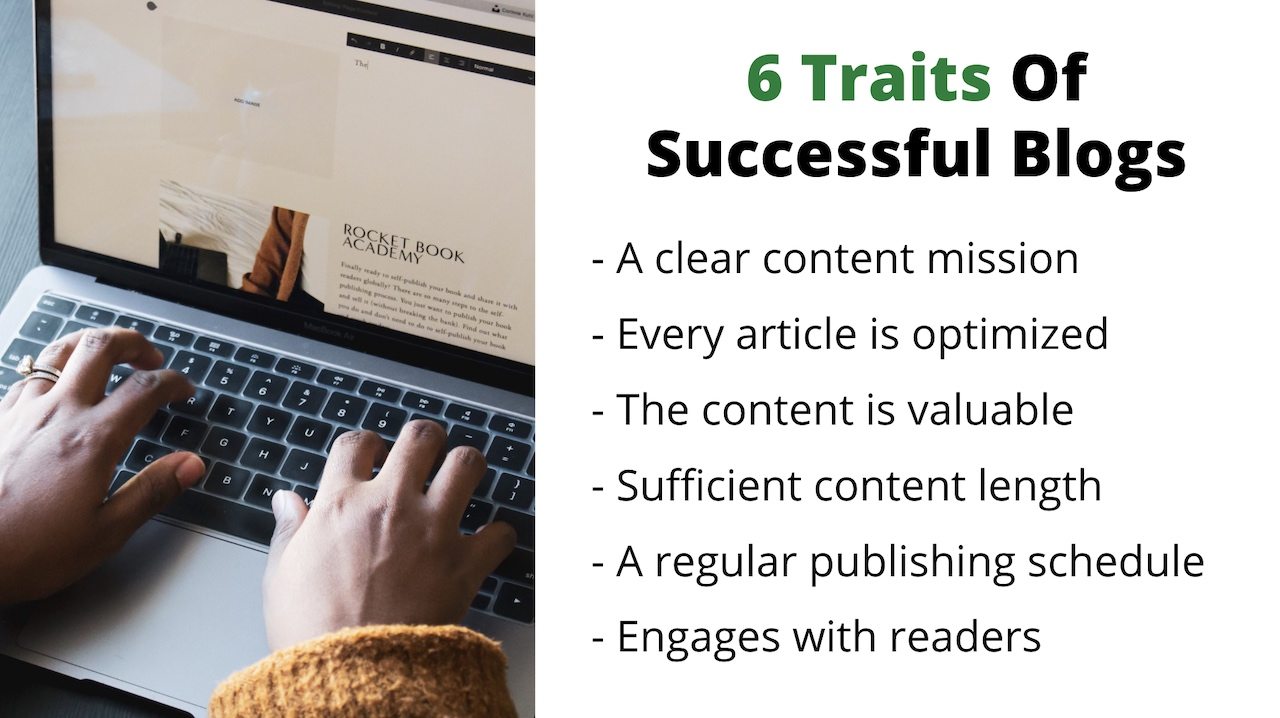
A well-planned content strategy is crucial for successful blogging. This involves setting clear goals, brainstorming ideas, and creating a content calendar to organize your posts. Consider the types of content that resonate with your audience, such as tutorials, reviews, or opinion pieces. You can also repurpose existing content, like turning blog posts into videos or infographics, to reach a wider audience and maximize your resources. Remember to keep your content fresh, informative, and engaging, and to always optimize it for search engines.
Step 3: Optimize Your Blog Posts for SEO
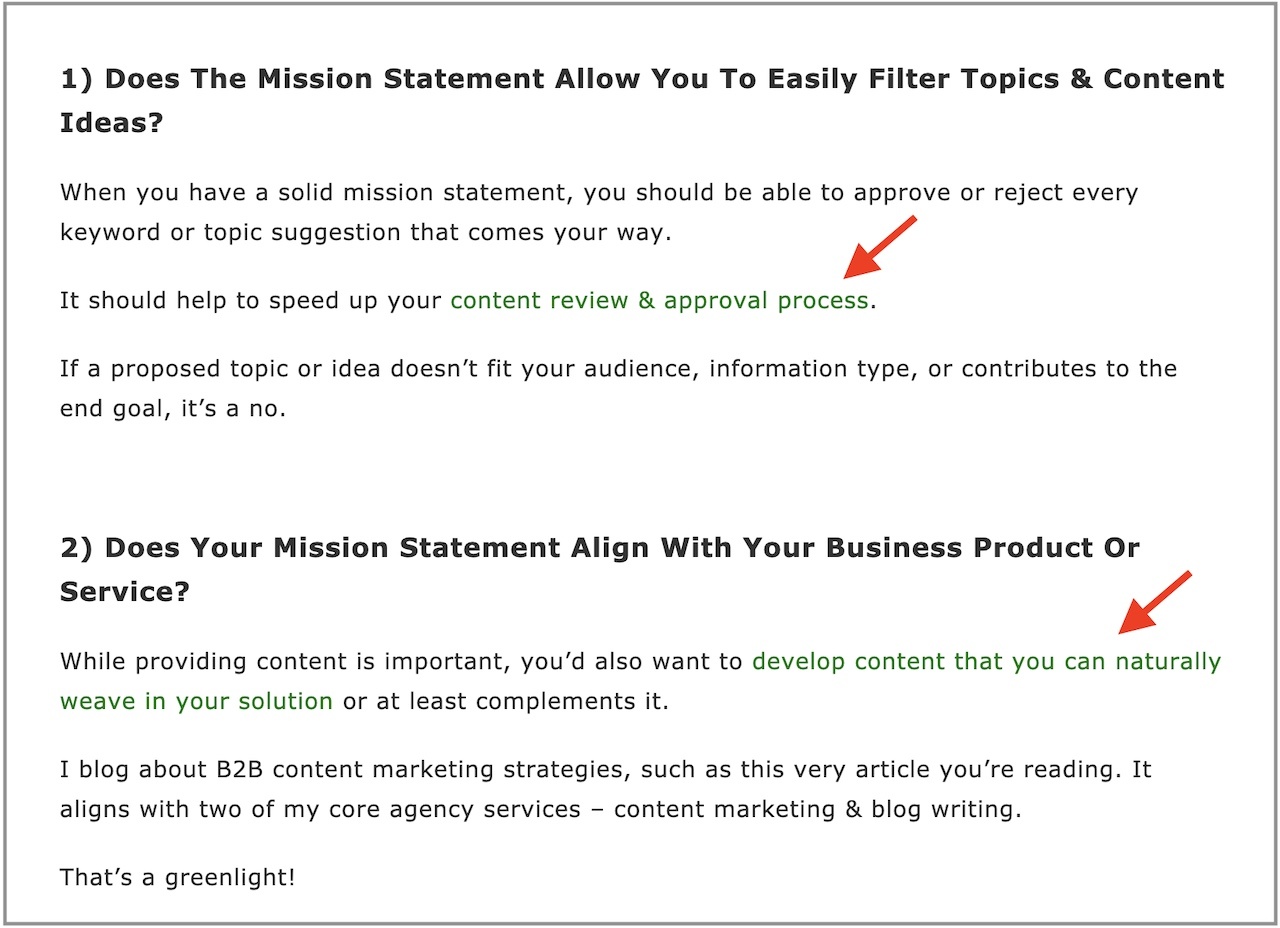
Search engine optimization (SEO) is vital for increasing your online visibility and driving organic traffic to your blog. This involves using relevant keywords, meta descriptions, and optimizing images to help search engines understand your content. Use tools like Google Keyword Planner or Ahrefs to research keywords, and make sure to include them naturally in your headlines, subheadings, and body copy. Additionally, use internal and external linking to enhance your content's authority and credibility.
Step 4: Create High-Quality and Engaging Content
High-quality content is the backbone of successful blogging. This means writing informative, entertaining, and engaging posts that resonate with your audience. Use attention-grabbing headlines, introductions that draw readers in, and concise language that's easy to understand. Incorporate visuals like images, videos, or infographics to break up the text and enhance the user experience. Make sure to edit and proofread your content carefully to ensure it's error-free and polished.
Step 5: Use Social Media to Promote Your Blog
Social media is a powerful tool for promoting your blog and reaching a wider audience. Share your posts on platforms like Facebook, Twitter, Instagram, and LinkedIn, and engage with your followers by responding to comments and messages. Use relevant hashtags to increase your visibility, and collaborate with influencers or other bloggers to expand your reach. You can also use paid advertising options like Facebook Ads or LinkedIn Ads to target specific audiences and drive more traffic to your blog.
Step 6: Build an Email List and Newsletter
Building an email list and creating a newsletter can help you stay in touch with your audience, promote your content, and drive more traffic to your blog. Use opt-in forms on your website to collect email addresses, and create a welcome email sequence to introduce new subscribers to your content. Share exclusive tips, news, or promotions to keep your subscribers engaged, and use segmentation to tailor your emails to specific groups or interests.
Step 7: Engage with Your Audience and Encourage Comments
Engaging with your audience is crucial for building a loyal following and creating a community around your blog. Respond to comments and messages promptly, and ask questions or request feedback to encourage conversation. Use social media to engage with your followers, and consider hosting webinars, Q&A sessions, or live events to connect with your audience in real-time. Make sure to moderate your comments section to maintain a positive and respectful environment.
Step 8: Collaborate with Other Bloggers and Influencers
Collaborating with other bloggers and influencers can help you expand your reach, build relationships, and create new content opportunities. Guest blog on other websites, participate in podcast interviews, or collaborate on social media projects. Use these collaborations to build backlinks to your blog, increase your authority, and reach new audiences. Be sure to research potential collaborators carefully, and only work with those who align with your values and target audience.
Step 9: Analyze Your Performance and Adjust Your Strategy
Analyzing your performance is essential for understanding what works and what doesn't, and making data-driven decisions to improve your blogging strategy. Use tools like Google Analytics to track your website traffic, engagement metrics, and conversion rates. Monitor your social media performance, email open rates, and other key metrics to identify areas for improvement. Adjust your strategy accordingly, and be willing to experiment with new approaches to stay ahead of the curve.
Step 10: Stay Up-to-Date with the Latest Blogging Trends
Staying up-to-date with the latest blogging trends and best practices is crucial for maintaining your competitive edge. Follow industry leaders, attend webinars and conferences, and participate in online communities to stay informed. Experiment with new formats, such as video blogging or podcasting, and incorporate emerging technologies like artificial intelligence or virtual reality into your content. Be open to new ideas, and always be willing to adapt and evolve your strategy.
Step 11: Use Repurposing to Maximize Your Content
Repurposing your content can help you maximize your resources, increase your productivity, and reach a wider audience. Turn blog posts into videos, infographics, or social media posts, and use this content to fuel your marketing channels. Consider creating email courses, eBooks, or whitepapers to showcase your expertise and provide value to your audience. Be creative with your repurposing, and always look for ways to breathe new life into your existing content.
Step 12: Optimize Your Blog for Mobile Devices
With the majority of internet users accessing websites through mobile devices, optimizing your blog for mobile is no longer a luxury, but a necessity. Ensure that your website is responsive, fast, and easy to navigate on smaller screens. Use mobile-friendly themes, optimize your images, and simplify your content to improve the user experience. Test your website on various devices to ensure it's working smoothly and providing the best possible experience for your audience.
Step 13: Use Storytelling to Connect with Your Audience
Storytelling is a powerful tool for connecting with your audience, conveying complex information, and creating memorable experiences. Use narratives to share your personal experiences, showcase your expertise, or highlight customer success stories. Incorporate anecdotes, examples, or metaphors to make your content more engaging, relatable, and shareable. Be authentic, vulnerable, and honest in your storytelling, and always prioritize your audience's needs and interests.
Step 14: Leverage User-Generated Content
Leveraging user-generated content can help you build trust, increase engagement, and create social proof. Encourage your audience to share their stories, photos, or videos, and showcase this content on your blog or social media channels. Use customer testimonials, case studies, or reviews to demonstrate your expertise and build credibility. Be sure to obtain permission and give proper attribution when using user-generated content, and always respect your audience's intellectual property.
Step 15: Continuously Learn and Improve
Finally, continuously learning and improving is essential for maintaining your edge in the blogging world. Stay up-to-date with the latest trends, best practices, and technologies, and be willing to experiment and try new things. Attend workshops, webinars, and conferences, and participate in online communities to expand your knowledge and network. Be open to feedback, constructive criticism, and new ideas, and always prioritize your audience's needs and interests.
Frequently Asked Questions:
15 Blogging Best Practices To Reach Your Content Marketing Goals

15 Blogging Best Practices To Reach Your Content Marketing Goals
Best Practices For Blogging In SEO For Beginners - Digiaaj
Best Practices For Blogging in SEO For Beginners - Digiaaj
Best Practices For Blogging By Conclubiltz - Issuu
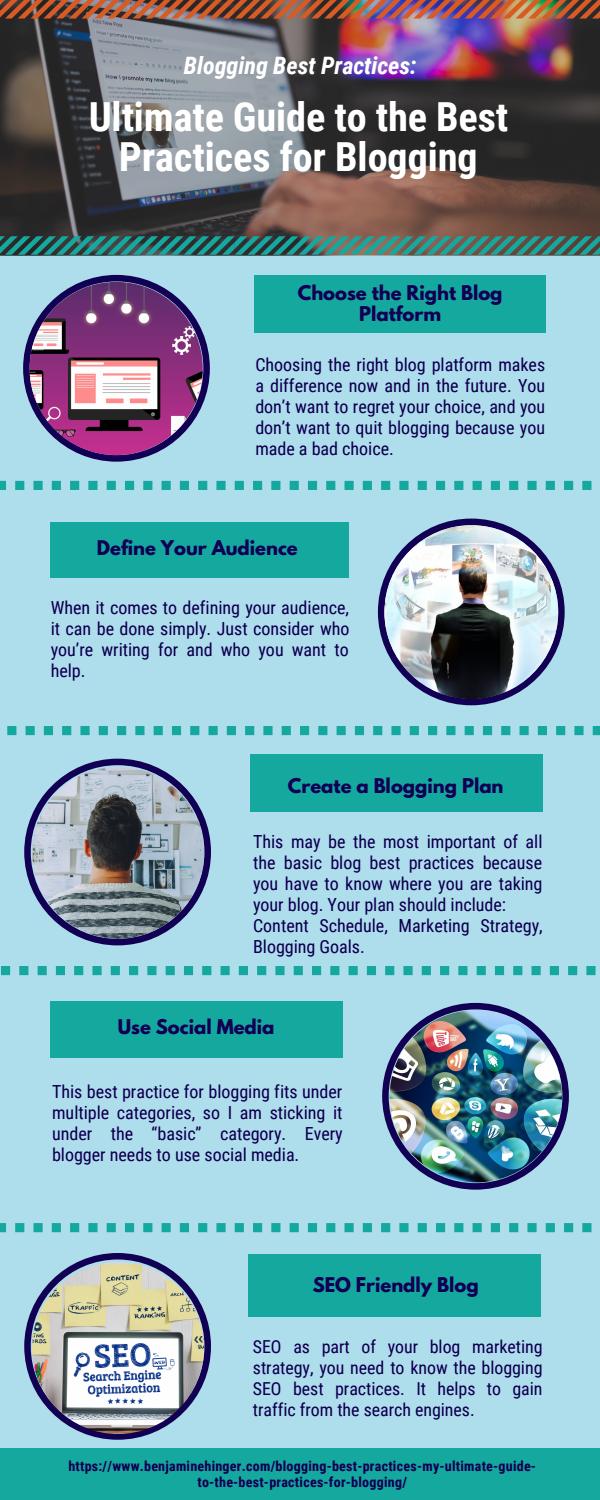
Best Practices for Blogging by conclubiltz - Issuu